Beyond the Shortage: How We Saved 11,000+ Nursing Hours with Robotics and Virtual Care
- Dr. Augusta Ada

- Oct 15, 2025
- 2 min read
Updated: Oct 29, 2025

The American healthcare system is facing a perfect storm: a national nursing shortage, soaring operational costs, and a workforce stretched to its breaking point. For executives, the question isn’t just "how do we hire more nurses?" but "how do we fundamentally redesign the work itself to be more sustainable, efficient, and rewarding?"
Our team faced this exact challenge. The answer wasn't found in a bigger recruiting budget; it was found by listening. Through 52 listening sessions with frontline nurses, a crucial data point emerged: nurses were spending, on average, 76 minutes per shift on tasks that didn't directly involve patient care, like hunting for supplies or delivering lab specimens. This wasn't just a workflow issue; it was a systemic drain on our most valuable asset.
Thinking Differently: From Staffing Ratios to a Care Ecosystem
Simply hiring more nurses into a broken system isn't a viable strategy. We needed a paradigm shift. The solution was a novel, blended nursing care model—the first of its kind to integrate virtual nurses, floor RNs, LPNs, CNAs, and task-oriented robots into a single, cohesive ecosystem.
This wasn't about replacing roles; it was about optimizing them. The model was meticulously designed through seven distinct workstreams—from technical and research to operations and human potential—to ensure successful implementation.
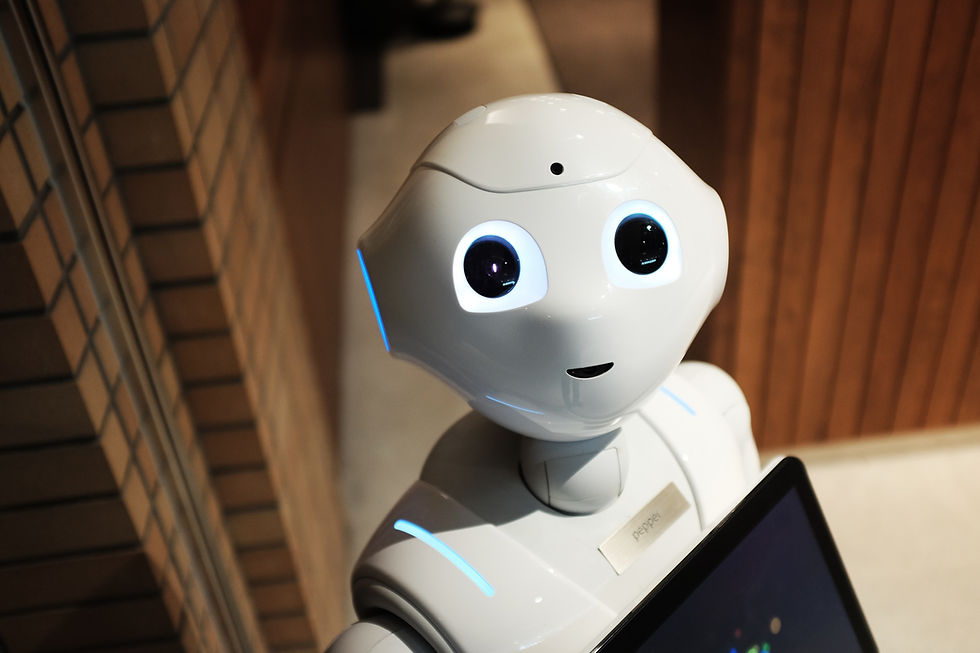
Robotics (Moxi): Handled the non-clinical "fetch and carry" tasks, freeing up clinicians to focus on patients.
Virtual Nurses: Experienced RNs provided remote support for patient education, admissions, and discharge instructions, while also mentoring novice nurses at the bedside.
Team-Based Care: The entire team—RNs, LPNs, and CNAs—was empowered to work at the top of their license, creating a more collaborative and less hierarchical environment.
The Bottom Line: Measurable Impact on Quality, Safety, and the Workforce
A creative solution is only valuable if it delivers results. Over 12 months, this innovative model produced significant, data-driven outcomes:
Operational Efficiency: Robotic deliveries saved an incredible 11,230 hours for hospital staff, directly giving time back to care.
Patient Safety & Satisfaction: Patient safety remained steadfast, with Hospital-Acquired Conditions (HACs) holding stable. Furthermore, patient understanding of their medications improved dramatically, with Press Ganey scores jumping 39.43% for understanding medication purposes.
Workforce Development: Novice nurses working alongside experienced virtual nurses reported accelerated professional growth, creating a built-in mentorship pipeline to strengthen our workforce for the future.
A Scalable Solution for a National Problem
This Care Model Redesign is more than a successful pilot; it's a testament to what's possible when we challenge conventional wisdom. It proves that we can address the nursing shortage, reduce workload, and provide financial relief to our institutions—all while maintaining excellent patient care. This is the future of healthcare delivery, and it's built on data-driven innovation and a relentless commitment to supporting our teams.
Want to learn more? Read our publication here: Nursing Administration Quarterly

Comments